
How Much Does It Cost to Sell a Damaged Car in the UK? Every Route Compared
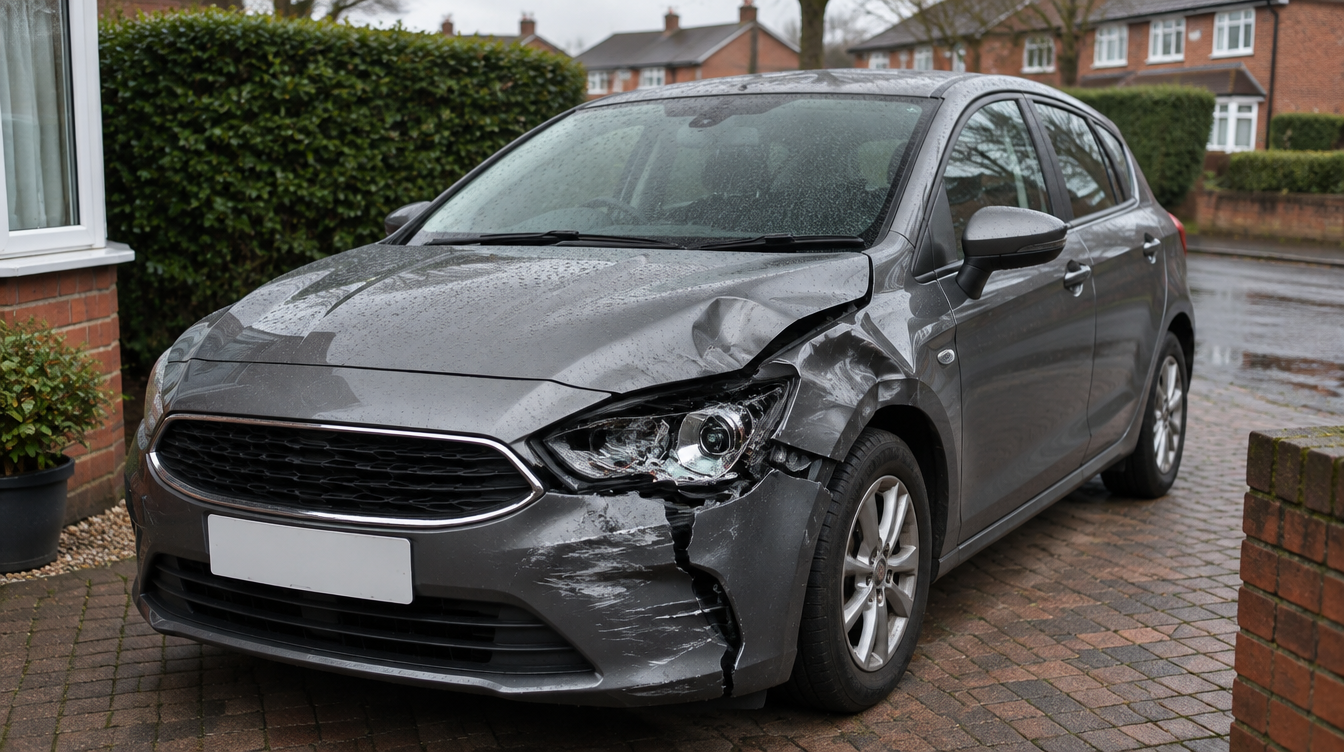
Most people selling a damaged car only ask one question: what will I get for it? The better question is what the sale will cost you, because every route takes something. Sometimes it is a visible fee. More often it is hidden in a lower price. This guide sets out what each way of selling a damaged, written-off or non-running car really costs a UK seller in 2026, so you can compare what lands in your account rather than the headline figure.
The two kinds of cost: fees you see and value you lose
A fee is easy to spot. A percentage commission, a collection charge, an admin deduction. The cost that catches sellers out is the one that never appears on paper: the gap between what a buyer pays for your car and what it is worth to the person who ends up with it. Every extra party between you and the final buyer needs a margin, and that margin comes out of your price.
So when you compare routes, look at two things. What is deducted from the price, and how many hands the car passes through before it reaches the rebuilder, dealer or dismantler who actually wants it.
Scrapping it
Scrapping looks free. Collection is usually included and nobody sends an invoice. The cost is the price itself. Scrap value is driven mainly by the weight of the car, and industry figures put the average UK scrap payout at around £250 in 2026. A car with a usable engine, gearbox, interior, panels or a repairable shell is worth more than its weight in steel to a trade buyer, and scrapping it gives all of that away.
Scrap is the right answer for a genuinely end-of-life car. For anything newer or repairable, read scrap vs sell: what gets you more for your damaged car before you book a collection.
Selling to an instant-offer car buying service
Car buying services are quick, and the offer on screen looks firm. The costs to watch are the admin or transaction fee deducted from the payment, and the re-price at inspection, where the figure drops once the damage is assessed in person. These services are built around clean retail stock, so damaged, written-off and non-running cars are often declined or priced defensively.
Part exchange or selling to a dealer
There is no fee to trade a damaged car in, but a dealer who does not specialise in damaged stock will price in the hassle of moving it on, usually through the trade or an auction. You are paying for their route to market. It is convenient, and it is rarely the best price.
Salvage auction
Auctions put your car in front of a lot of trade buyers, which is their strength. The cost sits on both sides of the hammer. Sellers typically pay an entry or commission charge, and buyers pay a premium on top of their bid, plus loading and access charges. A trade buyer works out their total cost before bidding, so every pound of buyer fees is a pound that does not go into the bid on your car. You may also need to pay to transport the car to the site, and you do not control the final price.
When an insurer writes your car off and takes it, this is where it goes. The salvage deduction you are quoted reflects what the car will fetch in that system, which is why keeping the car after a write-off and selling it yourself often leaves you better off.
Private sale on general classifieds
Listing fees are low or free. The cost is your time. Damaged cars attract a lot of messages from people who are not equipped to buy them, lowball offers and no-shows. Private retail buyers also discount damage heavily because they cannot price the repair with confidence. If the car sells, you keep the whole price. Many do not sell at all.
Selling direct to trade buyers on Second Gears
Second Gears is a marketplace, not a car buyer. You list your car and verified trade buyers, the same rebuilders, dealers and dismantlers who would otherwise bid at auction, make offers to you directly. Here is what it costs:
Listing is free. Add your registration, photos and an honest description. There is no charge to list and no obligation to accept an offer.
A small success fee, only if it sells. If you accept an offer and the car sells, you pay a small flat success fee. If it does not sell, you pay nothing.
No percentage commission and no auction premium. Nothing is taken as a share of your sale price, and the buyer is not adding an auction premium to their costs, so more of what the car is worth can go into the offer.
Collection is arranged by the buyer. You do not need to deliver the car anywhere.
The buyer pays you directly. Because the car goes straight to the person who wants it, there is one margin in the deal instead of several.
How to compare your options properly
Get the net figure for each route. Price minus every fee, deduction and transport cost.
Count the hands. The more parties between you and the final buyer, the more margin is coming out of your price.
Check what happens if it does not sell. A fee you only pay on success costs you nothing to test.
Price it realistically. Our guide to pricing a crash-damaged or category car shows how trade buyers work out what they will pay.
Make the listing easy to say yes to. Clear photos and straight facts get better offers. See what trade buyers actually look for in a listing.
The bottom line
No route is free. Scrap costs you the car's real value. Dealers and buying services cost you margin. Auctions cost fees on both sides. A private sale costs time. Selling direct costs a small success fee, and only when the car has actually sold. Work out the net figure for each and the decision usually makes itself.
List your damaged car free on Second Gears and see what verified trade buyers will offer. Sell direct, not at auction, and keep the difference.
Buying rather than selling? Register as a trade buyer and get to damaged stock before it reaches any auction.
Related Articles
Used EV Sales Just Hit Record Highs. Here's What That Means If Yours Is Damaged
The UK used electric car market is no longer a niche. In the first quarter of 2026, used battery electric car transactions rose 32% year on year to a...
Damage Doesn’t Mean Done: Repaired & Salvage Cars UK 2026
The UK used car market is shifting gears in 2026. Not long ago, a damaged or written-off vehicle was destined for the scrapyard, never to be seen agai...
How to Sell a Non-Runner in the UK Without Giving It Away
A car that will not start or drive feels like a liability sitting on your drive. It is not. Non-runners are bought every day in the UK, often for more...