
Non-Fault Accident: Claim on My Insurance or Theirs?
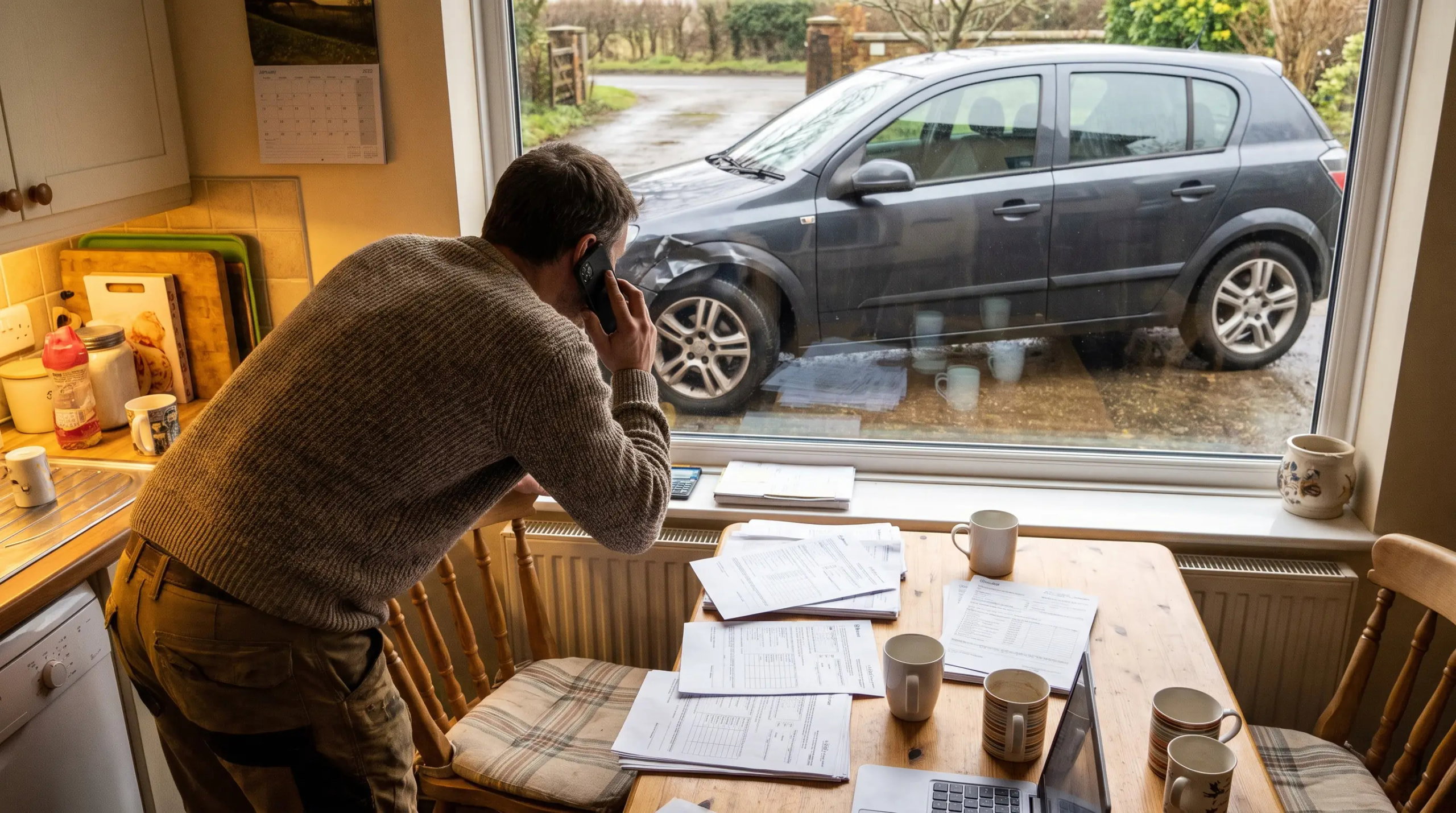
"Do I Claim on My Insurance or Theirs?" The Question Every Non-Fault Driver Asks
It's the first fork in the road after a non-fault accident, and the route you pick shapes everything that follows: whether you pay an excess, what happens to your no-claims bonus in the short term, and who you spend the next month on the phone with.
Route one: claim on your own policy
The familiar route. You call your insurer, pay your excess, and they repair the car and pursue the at-fault insurer to recover their costs, and your excess, afterwards. When recovery succeeds and liability is accepted, you're reimbursed and the claim is recorded as non-fault.
The catches: your excess leaves your account first and comes back later, if and when recovery completes. You get whatever courtesy car your policy provides, if any, rather than a vehicle like yours. And a claim sits on your record while it's resolved, which our NCB guide covers properly.
Route two: claim against the at-fault driver's insurer
Because the at-fault party is liable for your losses, the claim can be directed at their insurer instead. Done this way, where non-fault criteria are met, you don't need to make a claim against your own policy: no excess to pay, repairs and a replacement vehicle funded from the liable side, and costs recovered from the insurer of the driver who caused it.
The catch on this route is practical rather than financial: pursuing a third-party insurer yourself means handling liaison, evidence, approvals and chasing, against a company whose incentive is to minimise the payout. That's a part-time job you didn't apply for.
Route three, which is route two with the work removed
This is what accident management is. A specialist runs the at-fault-side claim for you: a dedicated handler manages the whole process, liaising with all involved parties including insurers and the approved repairer, a replacement vehicle is arranged while yours is off the road, and the costs sit with the at-fault insurer rather than you. It's why we partnered to launch Second Gears Accident Care: non-fault drivers keep their excess in their pocket and their time in their day.
The honest comparison
Claiming on your own policy is simplest when liability is murky or the other driver is untraceable; your insurer's job is to sort it regardless. For a clear non-fault, the at-fault route, professionally handled, typically leaves you better off on excess, vehicle and hassle. If you're unsure which yours is, the accident care team can tell you in one call, before anything is committed.
Had a non-fault accident? Start with Second Gears Accident Care, no cost to you as the non-fault driver, and keep your own policy out of it where the criteria are met.
"Do I Claim on My Insurance or Theirs?" The Question Every Non-Fault Driver Asks
It's the first fork in the road after a non-fault accident, and the route you pick shapes everything that follows: whether you pay an excess, what happens to your no-claims bonus in the short term, and who you spend the next month on the phone with.
Route one: claim on your own policy
The familiar route. You call your insurer, pay your excess, and they repair the car and pursue the at-fault insurer to recover their costs, and your excess, afterwards. When recovery succeeds and liability is accepted, you're reimbursed and the claim is recorded as non-fault.
The catches: your excess leaves your account first and comes back later, if and when recovery completes. You get whatever courtesy car your policy provides, if any, rather than a vehicle like yours. And a claim sits on your record while it's resolved, which our NCB guide covers properly.
Route two: claim against the at-fault driver's insurer
Because the at-fault party is liable for your losses, the claim can be directed at their insurer instead. Done this way, where non-fault criteria are met, you don't need to make a claim against your own policy: no excess to pay, repairs and a replacement vehicle funded from the liable side, and costs recovered from the insurer of the driver who caused it.
The catch on this route is practical rather than financial: pursuing a third-party insurer yourself means handling liaison, evidence, approvals and chasing, against a company whose incentive is to minimise the payout. That's a part-time job you didn't apply for.
Route three, which is route two with the work removed
This is what accident management is. A specialist runs the at-fault-side claim for you: a dedicated handler manages the whole process, liaising with all involved parties including insurers and the approved repairer, a replacement vehicle is arranged while yours is off the road, and the costs sit with the at-fault insurer rather than you. It's why we partnered to launch Second Gears Accident Care: non-fault drivers keep their excess in their pocket and their time in their day.
The honest comparison
Claiming on your own policy is simplest when liability is murky or the other driver is untraceable; your insurer's job is to sort it regardless. For a clear non-fault, the at-fault route, professionally handled, typically leaves you better off on excess, vehicle and hassle. If you're unsure which yours is, the accident care team can tell you in one call, before anything is committed.
Had a non-fault accident? Start with Second Gears Accident Care, no cost to you as the non-fault driver, and keep your own policy out of it where the criteria are met.
Related Articles
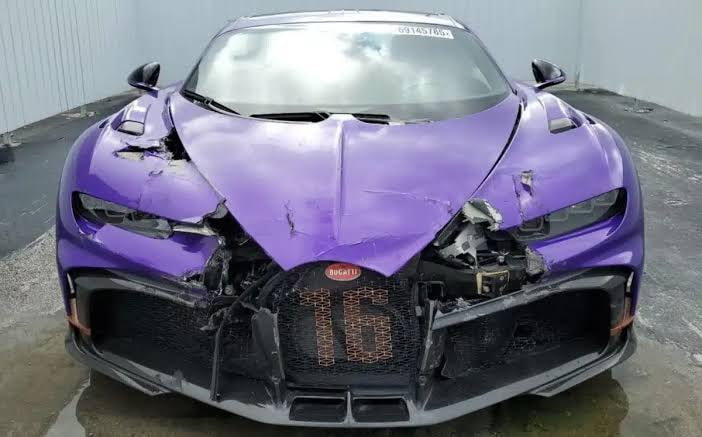
What the Bugatti Saga Taught 10 Million People About Salvage
What the Bugatti Saga Taught 10 Million People About SalvageThe most-watched car content of the year isn't a launch film or a track test. It's Mat Arm...
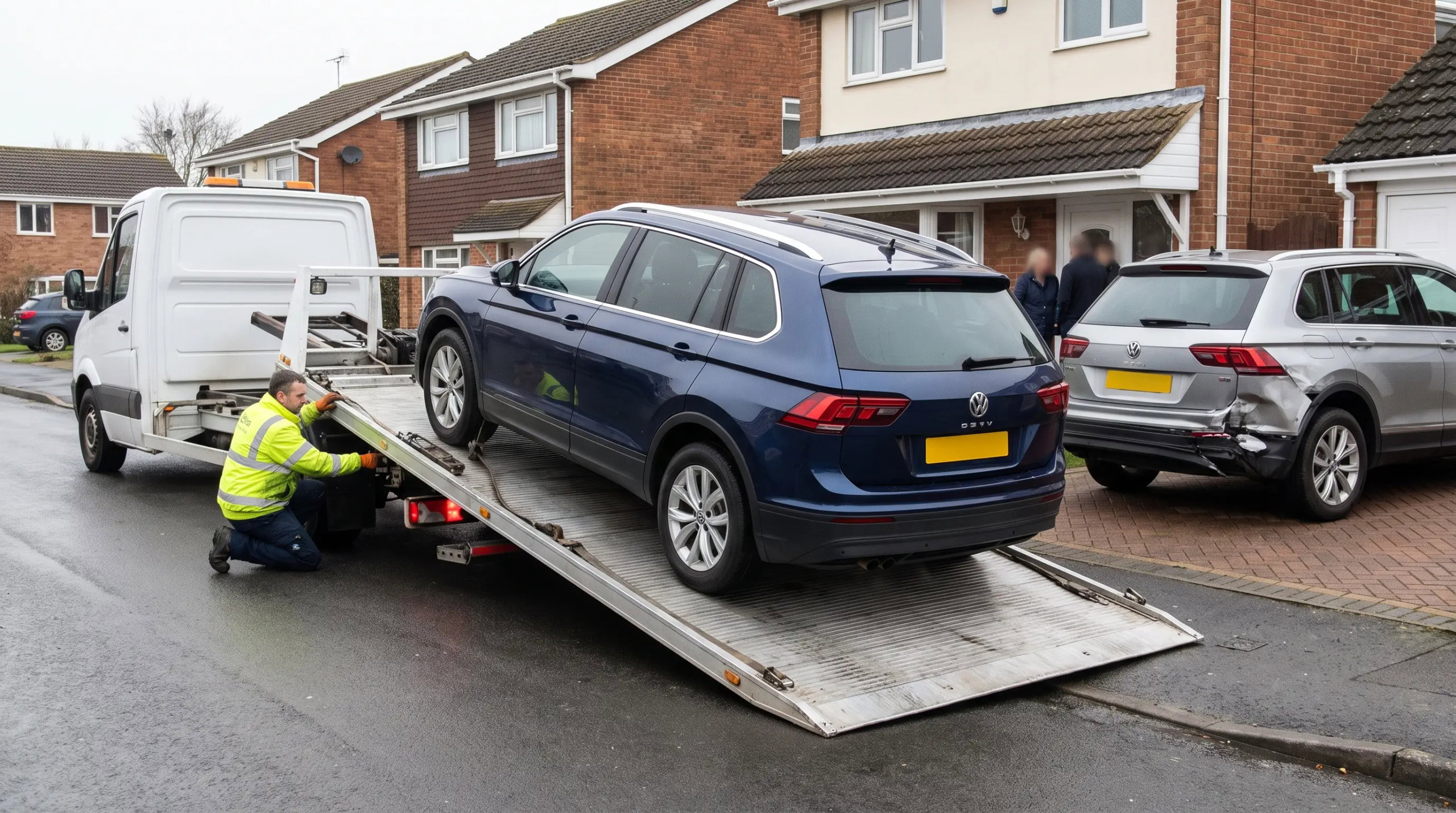
Non-Fault Accident Replacement Car: Your Rights
The Replacement Car You're Actually Entitled To After a Non-Fault AccidentMost drivers think the best they can hope for while their car is repaired is...
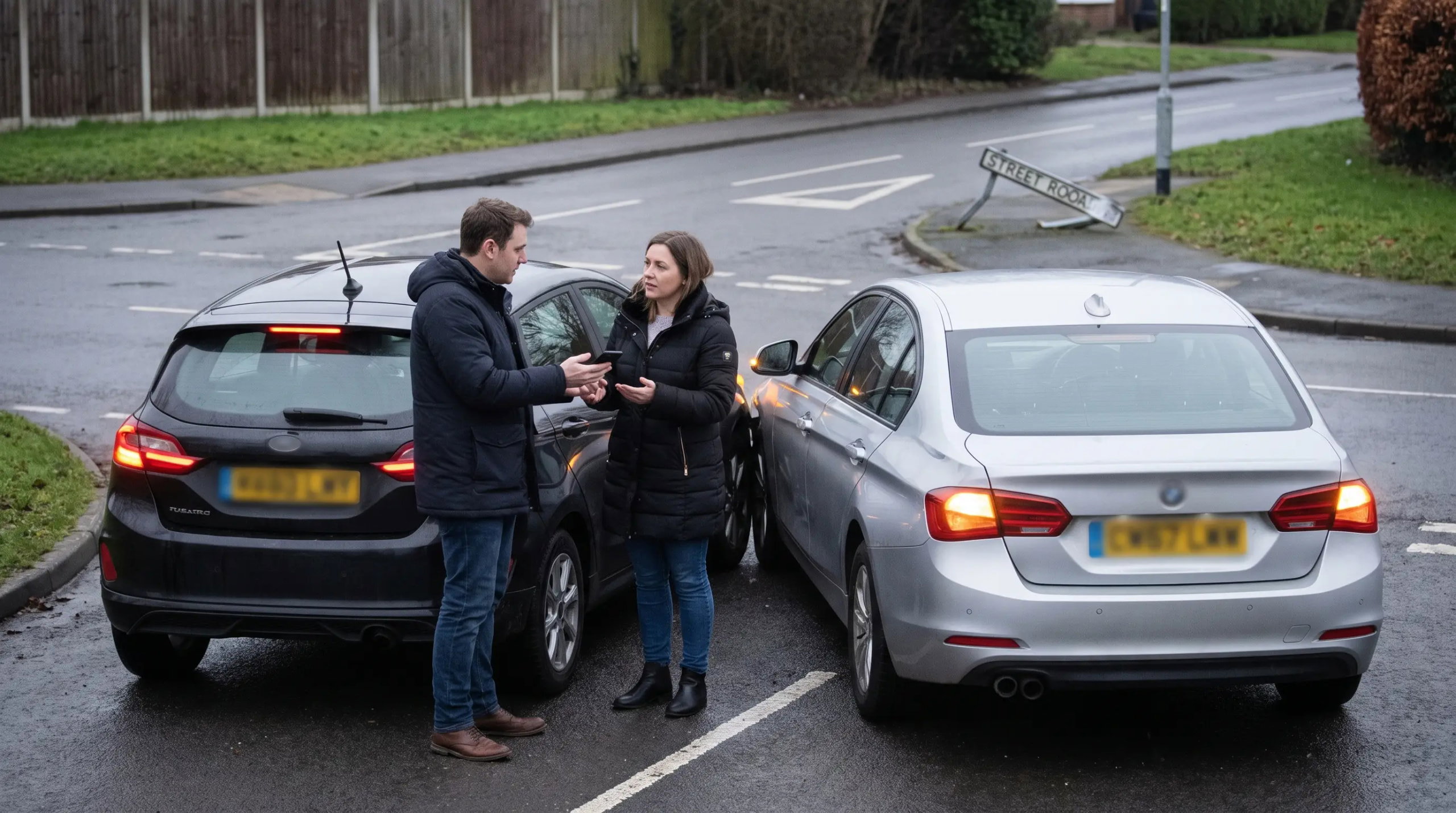
Non-Fault Accident: What to Do Step by Step (UK 2026)
Someone Hit Your Car and It Wasn't Your Fault. Here's Exactly What to DoA non-fault accident puts you in a strange position: you did nothing wrong, ye...