
Paperwork to Sell a Damaged Car: V5C, DVLA and More
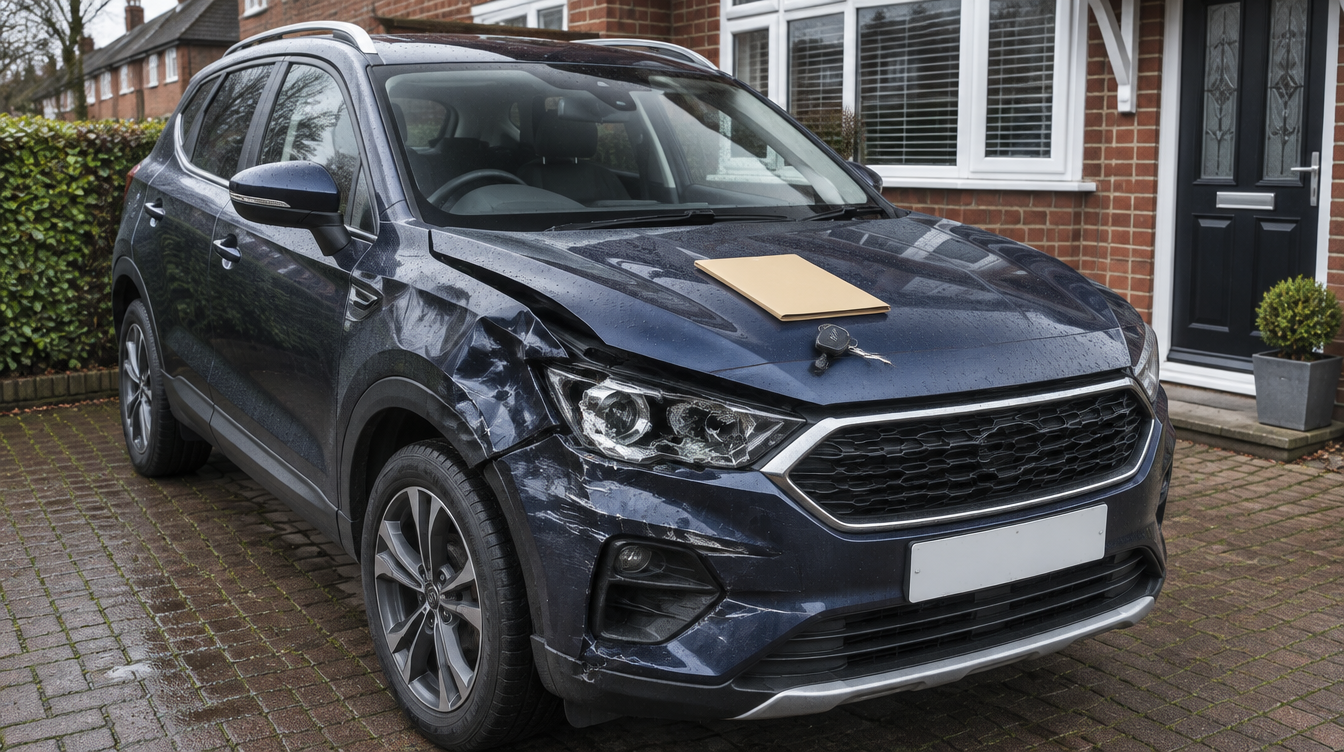
To sell a damaged car in the UK you need one document above all others: the V5C log book in your name. Add a written receipt, any write-off or repair paperwork you hold, and a two-minute notification to DVLA once the car has gone, and the sale is complete. You do not need a valid MOT, road tax or a running engine to sell, but you do need to get the DVLA step right, because until you do the car is still officially yours.
What paperwork do you need to sell a damaged car?
The list is shorter than most sellers expect. Have these ready before a buyer arrives:
V5C log book, showing you as the registered keeper at your current address.
A receipt, two copies, signed by you and the buyer.
Write-off paperwork if the car has been through an insurance claim: the letter confirming the category (Cat S or Cat N), the engineer's report and any repair estimate.
Finance settlement confirmation if the car has ever been on finance.
Service history, invoices and the most recent MOT certificate, if you have them. MOT history can also be checked free on GOV.UK, so a missing certificate is not a problem.
All keys, the locking wheel nut key and the handbook pack.
Photo ID. Many trade buyers ask to see ID that matches the name on the V5C.
None of the optional items will stop a sale, but each one removes a question from the buyer's mind. Trade buyers price uncertainty, so paperwork that answers questions tends to support the offer. For more on that, see what trade buyers actually look for in a damaged car listing.
How do you fill in the V5C when you sell to a trade buyer?
Damaged cars are usually bought by the motor trade: rebuilders, dealers and dismantlers. DVLA treats a sale to the trade differently from a private sale, and it is the yellow section of the log book that matters, not the green one.
On log books issued from April 2019 the yellow section is section 4, titled "sell, transfer or part-exchange your vehicle to the motor trade". On older log books it is section 9. According to GOV.UK guidance on selling a vehicle into the motor trade (checked November 2026), you have two ways to do it:
Online. Give the trader the log book, including the green "new keeper" slip. Tell DVLA online that you have sold the vehicle to a motor trader, using the 11-digit reference number from the log book, so note that number down before you hand the document over. Then destroy the yellow section.
By post. Get the trader to fill in the yellow section, tear off the perforated part and send it to DVLA, Swansea, SA99 1BD. Give the trader the rest of the log book.
Online is the quicker of the two. Whichever route you use, write down the trader's business name and address at handover. If your buyer is not a motor trader, the private sale route applies instead, and the GOV.UK service will ask which one it was.
Do you have to tell DVLA you have sold a damaged car?
Yes, and do it on the day of collection. Until DVLA is told, you remain the registered keeper, which means tax reminders, parking charges and speeding notices for that car can land on your doormat. GOV.UK guidance also warns that you can be fined £1,000 for not telling DVLA when a vehicle has been written off and passed to an insurer, so the agency takes notification seriously.
Three things happen once you notify:
DVLA confirms you are no longer the keeper.
Any vehicle tax is cancelled and you are automatically refunded for the full months remaining. Tax never transfers to the buyer.
If you pay by direct debit, it is cancelled for you.
You do not need to make a SORN on a car you have already sold. If the car is currently off the road and declared SORN, that is no barrier to selling it either. Our guide to selling a SORN car covers the detail.
One thing to do before you sell: if the car wears a private registration you want to keep, apply to DVLA to take it off the vehicle first. Once the car has changed keeper, the number goes with it.
What paperwork do you need if the car was written off?
This is where sellers most often get caught out, particularly those who chose to retain their vehicle after the insurer's decision. The log book rules depend on the category. GOV.UK guidance on insurance write-offs (checked November 2026) sets out the general position:
Cat N: you can keep your existing log book.
Cat S: you send the complete log book to your insurance company and apply for a free duplicate using form V62. DVLA then records the category on the new log book.
If you have retained a Cat S car and plan to sell it, apply for the duplicate straight away so the new V5C is in hand, or at least on its way, when buyers start making offers. If it has not arrived, say so in the listing. Trade buyers handle this regularly, but they need to know.
Keep every piece of claim paperwork: the settlement letter, the stated category, the engineer's report and the salvage figure deducted from your payout. These documents prove what happened to the car and they are exactly what a rebuilder wants to read. If you are still deciding whether to retain, read can I keep my car after a write-off first. Processes vary between insurers, so confirm the log book steps with yours and with DVLA.
Can you sell a damaged car without a V5C?
It is possible, but it will cost you buyers. Many trade buyers will not offer on a car without a log book, and those who do will price in the risk and the delay. The better route is to replace it before you list. If you are the registered keeper and your details have not changed, you can order a duplicate from DVLA online or by phone. GOV.UK lists the fee as £25 (checked November 2026).
If you do sell without one, you must still tell DVLA in writing that the car has gone, giving the buyer's name and address and the date of sale, and the buyer will need to apply for a log book in their own name. If the V5C shows an old address or a previous keeper, fix that with DVLA first. A log book that does not match the seller is a red flag to any careful buyer.
Do you need an MOT, tax or a finance settlement to sell?
MOT: no. A car with an expired or failed MOT can be sold, and the failure sheet is useful paperwork because it tells the buyer precisely what is wrong. See selling a car that failed its MOT. The buyer will normally collect by transporter.
Tax: no. An untaxed car must be kept off the public road and declared SORN while you hold it, but it can be sold.
Finance: this one matters. With hire purchase or PCP, the finance company generally owns the car until the agreement is settled, so you cannot simply sell it. Get a settlement figure, clear it, and keep the confirmation letter to show the buyer. Our guide to selling a car with outstanding finance explains the options. Check your own agreement with your lender before you list.
What should the receipt say when you sell a damaged car?
A receipt protects both sides. Write two identical copies and include:
Date and time of sale. The time matters if a penalty notice turns up later.
Registration, make, model and VIN.
The agreed price and how it was paid.
Names and addresses of both parties, with the buyer's business name.
A plain description of the car's condition: the damage, any write-off category, whether it runs.
Both signatures.
Describe the car honestly, in the listing and on the receipt. Do not hand over the keys or the log book until payment has cleared in your account.
With the documents in order, a damaged car can move quickly. One seller retained a written-off BMW X3, listed it on Second Gears, and it was paid for and collected within 24 hours, for £2,600 more than the salvage value deducted from the payout. That is the point of the paperwork: it lets you sell direct, not at auction, and keep the difference.
Second Gears is a marketplace, not a car buyer. You list the car, verified trade buyers make offers, and you choose whether to accept. It is free to list, with a small success fee only if the car sells and nothing to pay if it does not.
List your car free on Second Gears
Buying damaged stock for a living? Register as a trade buyer and deal with sellers direct.
Related Articles
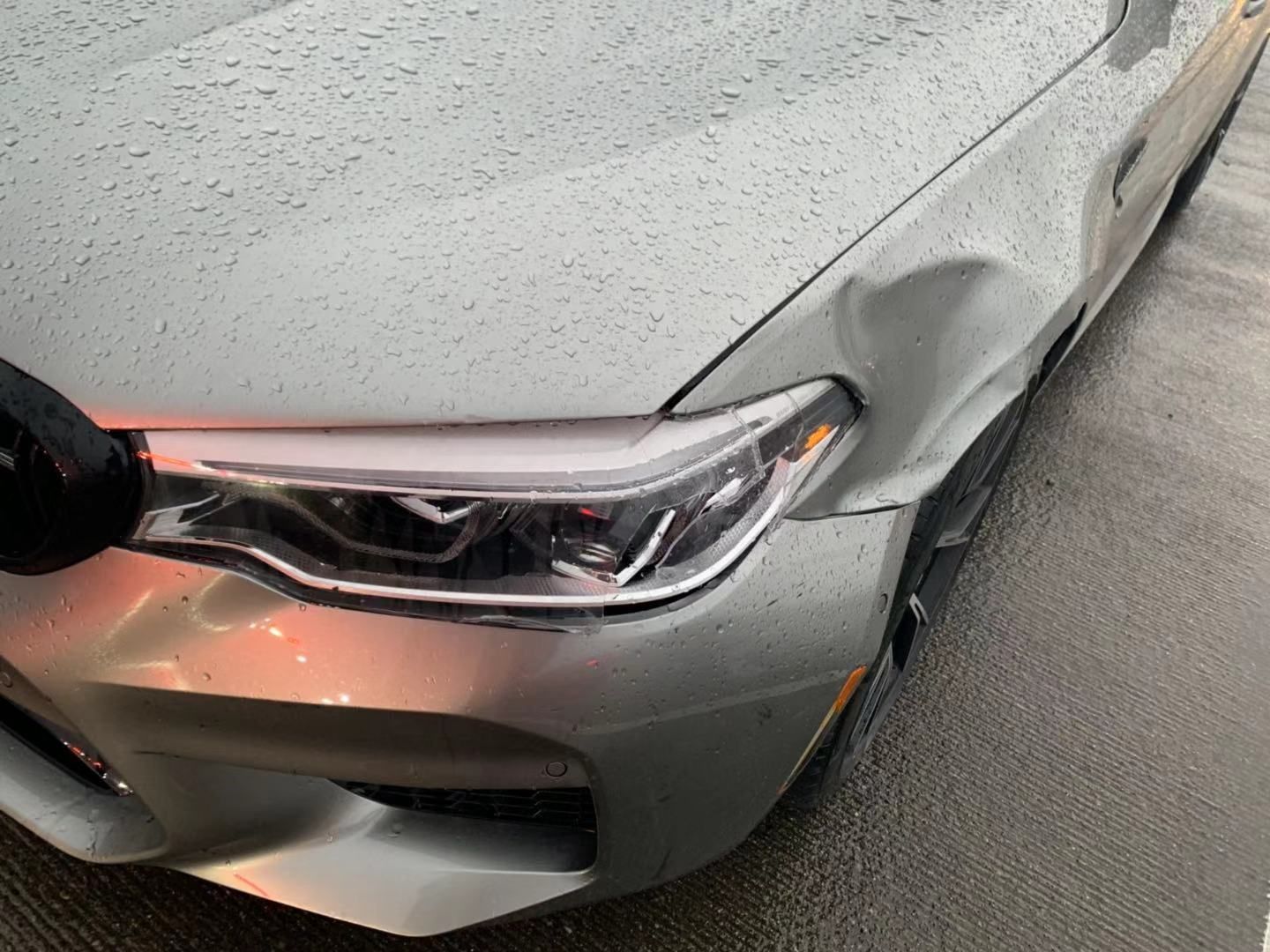
Can you Insure a Cat S or Cat N Car in the UK?
Yes. Cat S and Cat N cars can be insured in the UK. But the process is slightly different to insuring a standard used car, and going about it the wron...
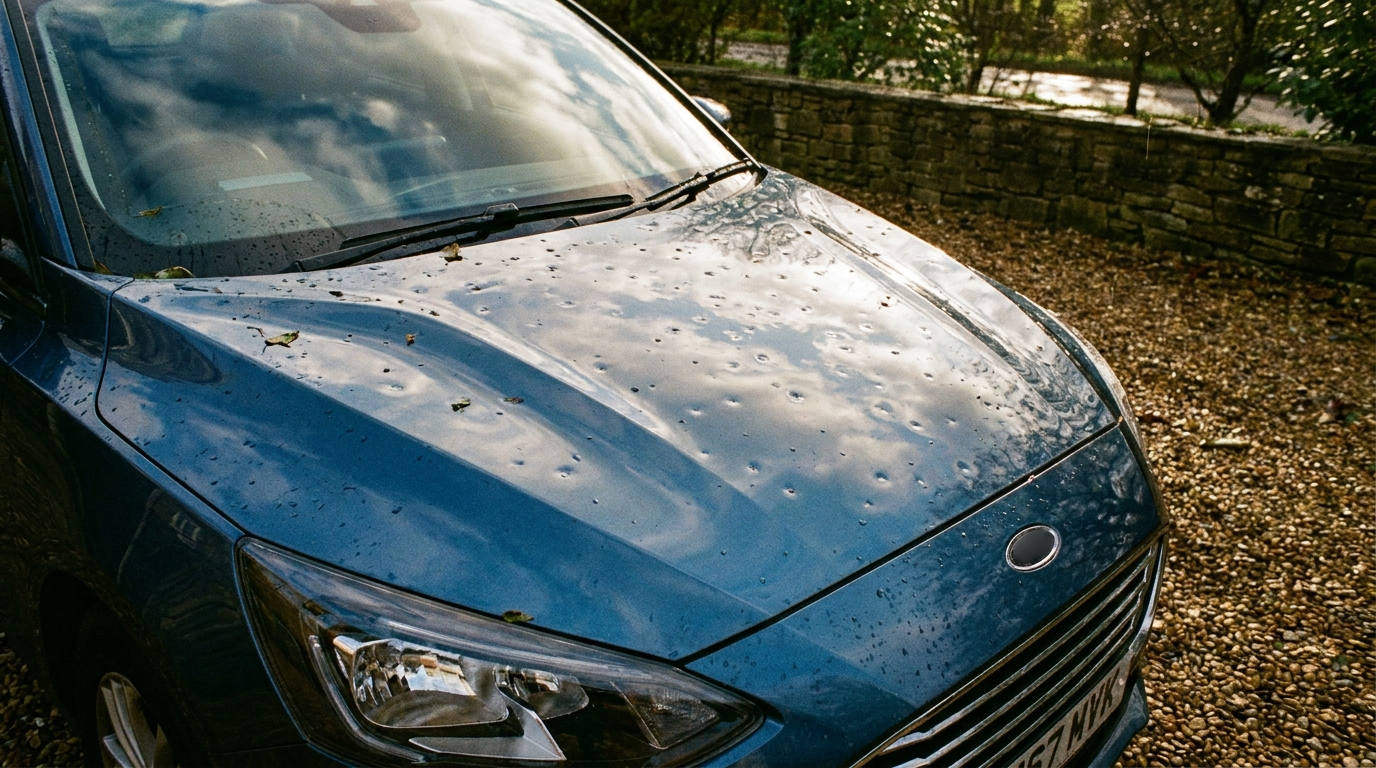
Selling a Car With Hail, Vandalism or Storm Damage: The Best-Kept Secret in Write-Offs
Cosmetic damage is the strangest corner of the salvage world. A hailstorm or a vandal with a key can write off a car that drives perfectly, because hu...

Rebuild Watch: What's Happening in Salvage YouTube Right Now
Salvage rebuilding has become one of the biggest genres in UK automotive content, and the last few months have produced some of its most dramatic stor...