
Does a Non-Fault Accident Affect Insurance and NCB?
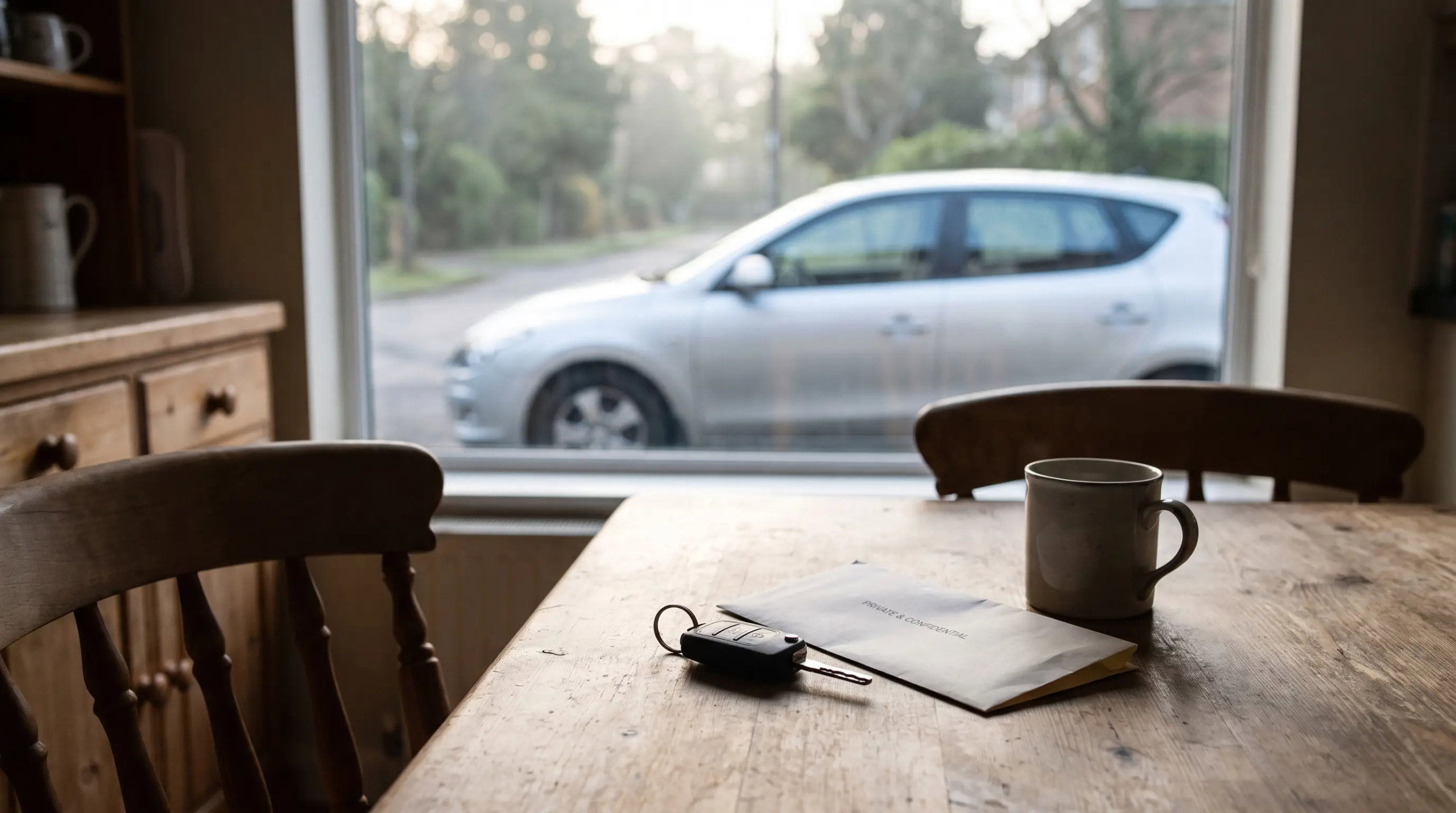
Does a Non-Fault Accident Affect Your Insurance? The Answer Nobody Likes, and the Fix
Here's the truth the renewal letter delivers eventually: yes, a non-fault accident can affect your insurance, and drivers deserve a straight explanation of when, why and how to minimise it, because the difference between the good and bad outcome is mostly about how the claim is run.
The no-claims bonus mechanics
Your NCB rewards years without a claim on your policy. What matters is exactly that wording: on your policy.
Claim on your own insurance after a non-fault accident and, until the insurer recovers its full costs from the at-fault side, the claim can count against you, with your NCB reduced at renewal in the meantime. When recovery completes and the claim is closed as non-fault, the bonus is typically reinstated, but recovery can take months, and renewals don't wait. Protected NCB softens this, though protection has its own limits and the claim still sits on your record.
Run the claim against the at-fault driver's insurer instead, where the non-fault criteria are met, and you don't need to make a claim against your own policy. No claim on your policy is the cleanest way to keep the bonus intact, which is precisely why the claiming route matters so much.
The premium question
Even a settled, recorded-as-non-fault accident can nudge premiums, because insurers price on data and their data says drivers with any recent incident are statistically likelier to have another. You must declare accidents when asked at renewal regardless of fault or route; non-disclosure is never worth it. What you control is the severity of the record: a claim-free policy with a declared incident reads very differently to a claimed-on policy awaiting recovery.
In most cases the honest summary is: some effect is possible whatever you do, the smallest effect comes from keeping the claim off your own policy, and the largest comes from claiming on it and having recovery drag.
Making the clean route effortless
The clean route means someone pursuing the at-fault insurer properly: evidence, liaison, repairs, a replacement vehicle, all funded from the liable side. That's the service behind Second Gears Accident Care: a specialist team runs your non-fault claim end to end, managing the whole claims process and liaising with all involved parties, at no cost to you as the non-fault driver, with your own policy, excess and NCB left where they belong.
Protect the bonus you spent years building. Report your non-fault accident here.
Does a Non-Fault Accident Affect Your Insurance? The Answer Nobody Likes, and the Fix
Here's the truth the renewal letter delivers eventually: yes, a non-fault accident can affect your insurance, and drivers deserve a straight explanation of when, why and how to minimise it, because the difference between the good and bad outcome is mostly about how the claim is run.
The no-claims bonus mechanics
Your NCB rewards years without a claim on your policy. What matters is exactly that wording: on your policy.
Claim on your own insurance after a non-fault accident and, until the insurer recovers its full costs from the at-fault side, the claim can count against you, with your NCB reduced at renewal in the meantime. When recovery completes and the claim is closed as non-fault, the bonus is typically reinstated, but recovery can take months, and renewals don't wait. Protected NCB softens this, though protection has its own limits and the claim still sits on your record.
Run the claim against the at-fault driver's insurer instead, where the non-fault criteria are met, and you don't need to make a claim against your own policy. No claim on your policy is the cleanest way to keep the bonus intact, which is precisely why the claiming route matters so much.
The premium question
Even a settled, recorded-as-non-fault accident can nudge premiums, because insurers price on data and their data says drivers with any recent incident are statistically likelier to have another. You must declare accidents when asked at renewal regardless of fault or route; non-disclosure is never worth it. What you control is the severity of the record: a claim-free policy with a declared incident reads very differently to a claimed-on policy awaiting recovery.
In most cases the honest summary is: some effect is possible whatever you do, the smallest effect comes from keeping the claim off your own policy, and the largest comes from claiming on it and having recovery drag.
Making the clean route effortless
The clean route means someone pursuing the at-fault insurer properly: evidence, liaison, repairs, a replacement vehicle, all funded from the liable side. That's the service behind Second Gears Accident Care: a specialist team runs your non-fault claim end to end, managing the whole claims process and liaising with all involved parties, at no cost to you as the non-fault driver, with your own policy, excess and NCB left where they belong.
Protect the bonus you spent years building. Report your non-fault accident here.
Related Articles
Selling a Car With Engine Problems: The Maths Most Owners Get Wrong
Selling a Car With Engine Problems: The Maths Most Owners Get WrongAn engine warning, a knock, smoke on startup, or the worst-case phone call from a g...
How Insurers Calculate a Write-off: A Guide for UK Car Owners
Hearing that your car has been written off can feel maddening, especially when it still looks fixable. But insurers are not only asking, "Can th...
Damaged electric car: should you repair it or sell it?
EV repair bills can reach five figures before most garages have finished the assessment. Whether repair is worth it comes down to a handful of specifi...