
Is It Worth Buying a Cat S Car? UK Buyer's Guide
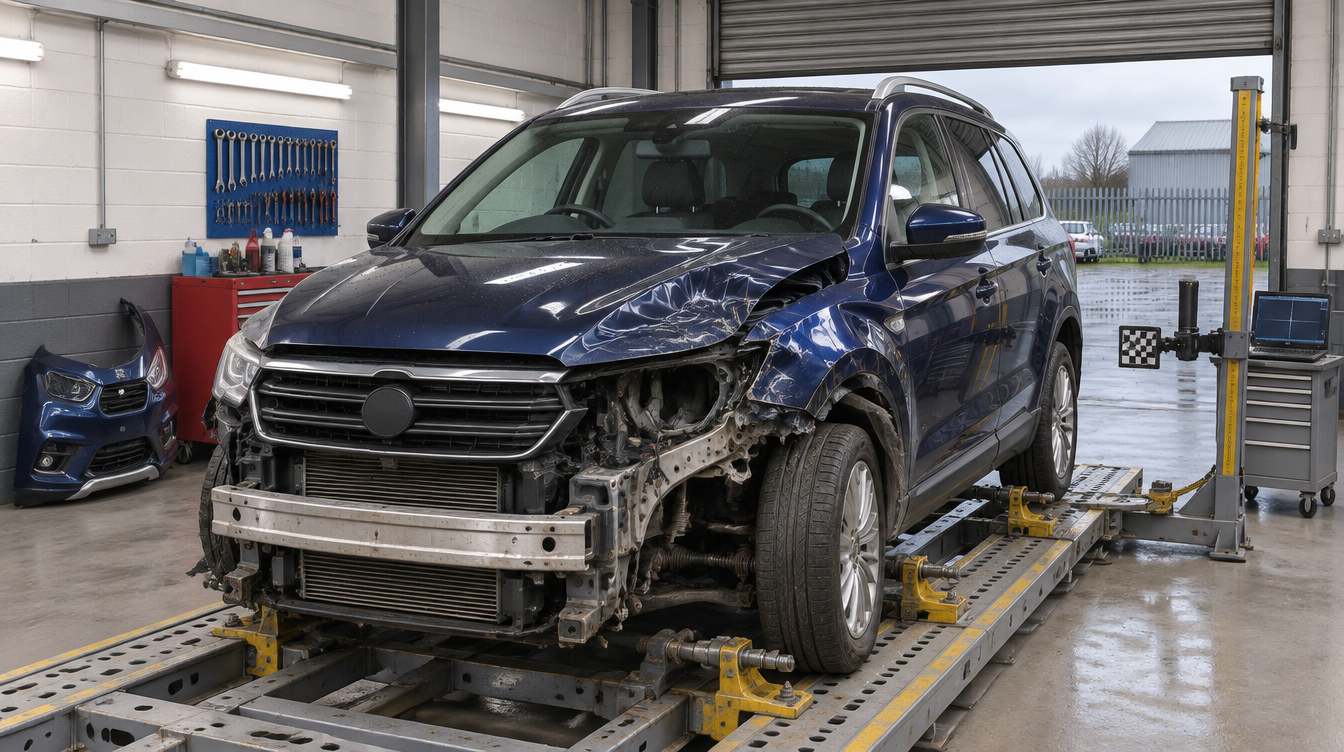
Yes, a Cat S car can be worth buying, but only when the price leaves room for a proper structural repair, you can see exactly what was damaged, and you either have the skills and equipment to fix it or solid evidence that someone else did. Cat S means structural damage, so the margin for a careless purchase is much thinner than with a Cat N. Bought well, it is where a lot of rebuilders make their best money. Bought blind, it is where they lose it.
What does Cat S actually mean?
Cat S is one of four UK write-off categories. GOV.UK's guidance on insurance write-offs describes Category S as a vehicle that has been structurally damaged but can be repaired, and says DVLA records the category in the log book. That marker stays with the car for life.
The detail sits in the Association of British Insurers' Code of Practice for the Categorisation of Motorised Vehicle Salvage. The current version, dated 28 May 2025, was updated to cover electric and hybrid vehicles, structural battery packs and newer construction methods such as megacasting. Under the code, the category is assigned by an Appropriately Qualified Person, and a repairable car goes into Cat S when damage reaches the structural frame or chassis: chassis legs, sills, pillars, crossmembers, floor sections and similar load-bearing parts.
Two things follow from that. First, Cat S tells you where the damage is, not how expensive it is. A light hit that just creases a chassis leg and a heavy side impact that moves a B-pillar both carry the same letter. Second, the car was written off because the insurer chose not to repair it, not because it could not be repaired. If you want the two repairable categories side by side, our guide to the differences between Cat S and Cat N covers it.
Why are Cat S cars so much cheaper?
Supply is one reason. DVLA figures released under a Freedom of Information request and published in March 2025 showed 562,185 vehicles recorded as written off in 2024, a 46% rise on 2017. Rising parts, paint and labour costs push more repairable cars over the line every year, and a share of them carry structural damage.
The bigger reason is the marker itself. A Cat S car has a permanently smaller pool of retail buyers, some lenders and dealers will not touch it, and insurance takes more effort. Repair specialist Revive!, in analysis published in February 2026, said previously categorised vehicles can be worth up to 50% less than undamaged equivalents. Treat that as an outer limit rather than a rule: the real discount on any one car depends on its age, desirability, the severity of the damage and the quality of the repair evidence.
For a buyer, that discount cuts both ways. It is why the purchase price is low, and it is also a ceiling on what the finished car will ever sell for.
When is a Cat S car worth buying?
The Cat S purchases that work tend to share the same features:
The damage is localised and visible. One corner, one chassis leg, one sill. You can see where the impact started and where it stopped.
The car is desirable repaired. Popular models with strong used demand absorb the write-off discount far better than slow sellers.
Parts are available and priced sensibly. Structural sections, crash bars, radiator packs and airbag components for mainstream cars are easier to source than for low-volume models.
You have access to the right equipment. Structural work needs a jig or measuring system, correct welding or bonding methods and four-wheel alignment afterwards. If you do not have these, you need a body shop that does, and its bill belongs in your sums.
The numbers work at the Cat S resale price. Not the clean retail price.
When should you walk away from a Cat S?
Damage in more than one zone. Front and rear, or a hit that has travelled into the roof or floor, usually means the shell has moved in ways photographs do not show.
An "already repaired" car with no evidence. No photographs of the damage, no invoices, no alignment printout. You are being asked to trust welds you cannot see.
Deployed airbags plus structural damage on a low-value car. The restraint system alone can eat the margin.
Electric cars with any doubt over the battery. The 2025 code treats the structural battery as part of the structure for good reason. Without a battery health report and a clear view of the pack and its mountings, price it as a risk or leave it.
A seller who is vague about the category or cause. Run your own history check against the registration before you offer.
How do you work out what to pay?
Work backwards from the exit, not forwards from the asking price.
Find what repaired Cat S examples of the same model, age and mileage are actually advertised at, not clean ones.
Price the repair properly: structural parts, panels, paint, jig time, restraint components, alignment, ADAS calibration where fitted, and an MOT.
Add a contingency for hidden damage. Structural jobs find extra work once the car is stripped more often than cosmetic ones do.
Add your buying costs: transport and any platform or auction charges.
Take all of that, plus the margin you need, away from the resale figure. What is left is your maximum offer.
Step four is where sourcing matters. At a salvage auction, buyer fees are added on top of the hammer price and rise with it. Buying direct from the owner removes that layer, and you can ask the person who was driving the car what happened. Our field guide to where to buy salvage cars in the UK compares the routes.
What happens after the repair?
There is no dedicated write-off inspection in the UK: the Vehicle Identity Check was scrapped in October 2015. A repaired Cat S car needs to be roadworthy, taxed, insured and, if it is over three years old, to hold a valid MOT. The step-by-step process, including the log book, is in our guide to putting a Cat S or Cat N car back on the road. Check GOV.UK or DVLA directly for the current V5C requirements.
Because nobody inspects the repair for you, the evidence you keep is what gives the car its value. Photograph the damage before, during and after, keep every parts invoice, and get an alignment printout. Many rebuilders also pay for an independent post-repair inspection, which makes the car easier to retail.
The category has to be declared to insurers and to anyone you sell to. Most mainstream insurers will quote, some will ask for an engineer's report, and settlements on a previously written-off car are generally lower. Our guide to insuring a Cat S or Cat N car explains the general position, but always confirm with the insurer.
Cat S or Cat N: which is the better buy?
Cat N is the lower-risk entry point, and if you are new to rebuilding it is the sensible place to start: see whether a Cat N car is worth buying. Cat S usually buys cheaper for the same model, but the repair demands more skill and equipment, and the finished car sells for less. For buyers set up for structural work, that gap is the opportunity. For everyone else, it is the warning.
Buy Cat S stock direct, not at auction
Second Gears is a UK marketplace where private sellers list crashed, written-off and non-running cars and verified trade buyers make offers direct. Many sellers have chosen to retain their vehicle after a write-off and sell direct, not at auction, so you deal with the owner rather than a yard. One membership unlocks every car and price, offers are free to make, and a small introduction fee applies only when a seller accepts, far less than auction fees.
Got a Cat S car of your own to sell? It is free to list, with a small success fee only if the car sells, so you keep the difference. List your car free on Second Gears.
Related Articles
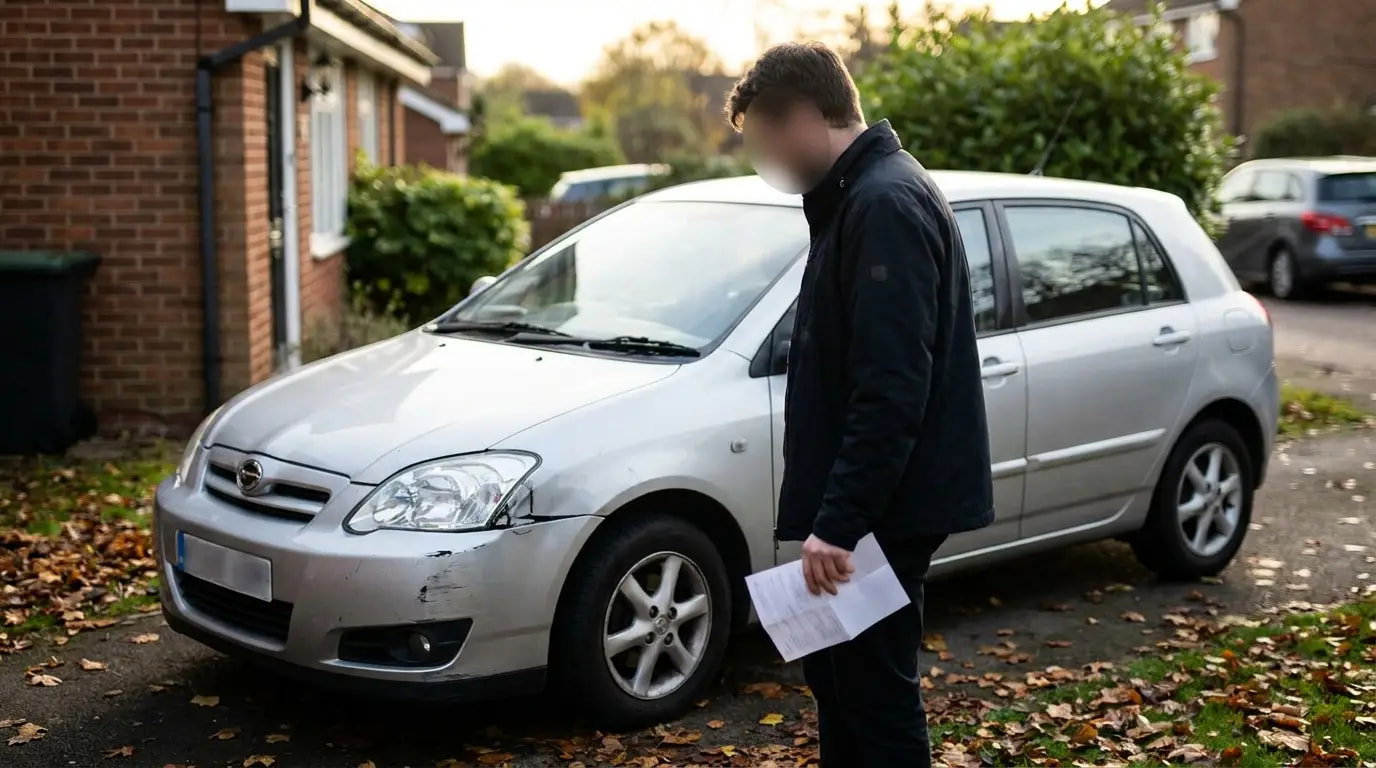
Crashed Car Not Written Off? Repair, Claim or Sell
Plenty of crashes end in limbo: the car is damaged, it's not a total loss, and suddenly you're holding a repair quote, an excess figure and a decision...
Damaged electric car: should you repair it or sell it?
EV repair bills can reach five figures before most garages have finished the assessment. Whether repair is worth it comes down to a handful of specifi...
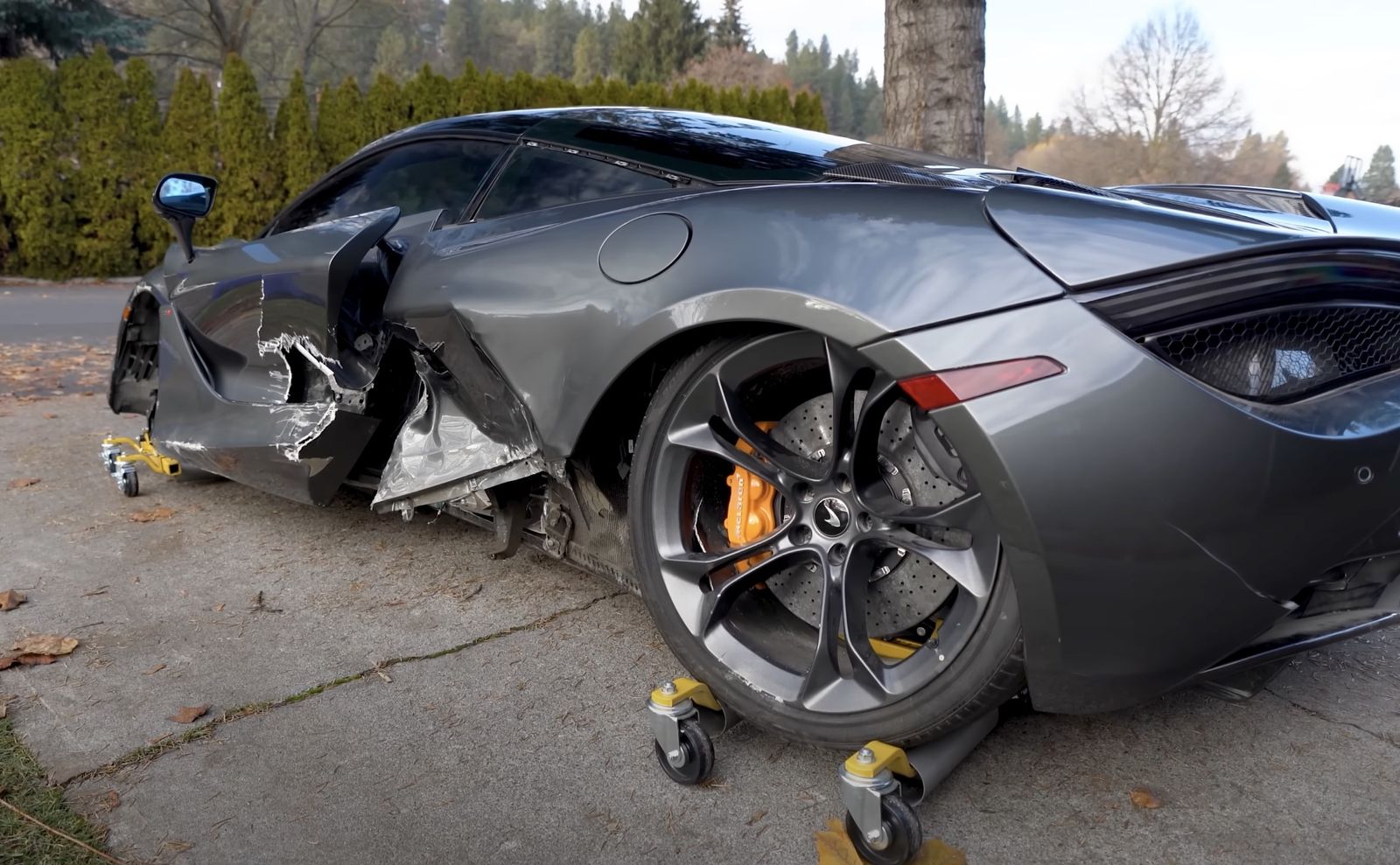
How to Source Salvage and Damaged cars Without Paying Auction Fees (UK Guide)
If you are a dealer, rebuilder or trader sourcing salvage and damaged stock in the UK, auction fees are one of the biggest costs eating into your marg...