
Selling a Car With a Failed Timing Chain: UK Options
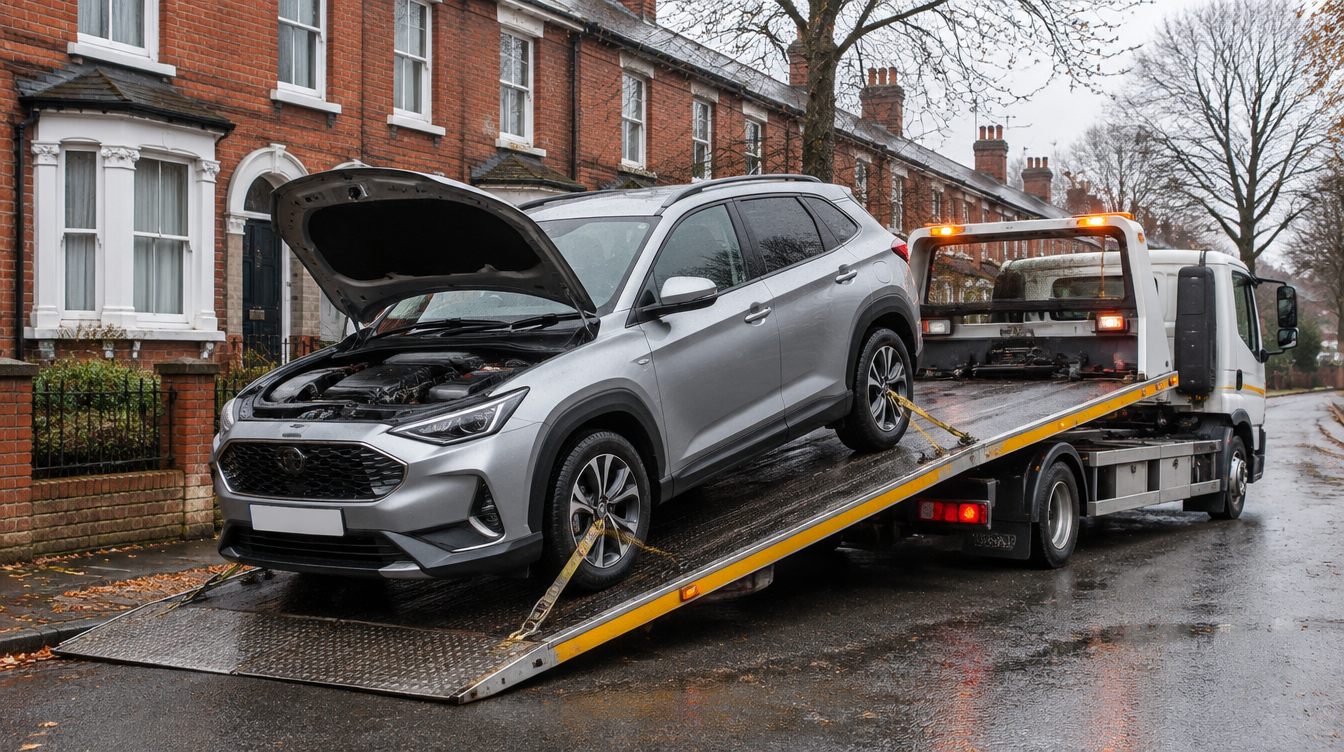
Yes, you can sell a car with a failed timing chain in the UK, and you do not have to repair it first. Whether the chain is rattling, stretched or has snapped and stopped the engine, trade buyers who rebuild, break and resell cars buy them as they stand. What you get depends on how far the failure went, and on whether the rest of the car is worth saving.
What happens when a timing chain fails?
The timing chain links the crankshaft to the camshafts so the valves open and close in step with the pistons. Unlike a rubber timing belt, a chain runs inside the engine in oil and is usually sold as lasting the life of the car. In practice chains stretch, tensioners weaken and plastic guides wear or break, particularly on engines that have gone a long time between oil changes.
Failure tends to arrive in one of three stages, and the stage matters more than anything else when you come to sell:
Rattling or stretched, still running. A metallic rattle on a cold start, an engine management light or rough idling. The chain is worn but the engine has not been damaged. This is the cheapest stage to put right.
Jumped timing. The chain has skipped a tooth or more. The car may misfire badly, run very poorly or refuse to start. Internal damage is possible but not certain.
Snapped chain. The engine stops dead and will not restart. Most modern engines are interference designs, which means the pistons and valves share the same space at different moments. When the timing is lost they can collide, bending valves and damaging pistons or the cylinder head.
If the car is at the first stage, stop driving it. Every extra mile risks turning a chain job into an engine job, and that changes what the car is worth to anyone.
How much does a timing chain repair cost in the UK?
A timing chain replacement typically costs between £900 and £2,000 in the UK, according to a cost guide from repair finance provider Bumper updated in July 2026, with mainstream models averaging around £1,200. That is roughly double a typical timing belt change, because the chain sits behind covers that take hours to remove and the sensible job replaces the chain, tensioner, guides and sprockets together.
Those figures are for a chain that is worn but has not yet failed. Once a chain has snapped on an interference engine, the garage has to strip the engine to find out what was hit, and the quote can move from a chain kit to a cylinder head rebuild or a replacement engine. No honest garage can give you a firm price for that until the head is off, which is why owners so often end up with a quote that is higher than the value of the car.
Is it worth fixing the timing chain before you sell?
Sometimes, but less often than owners expect. The test is simple: will the repair add more to the sale price than it costs you? Three situations cover most cases.
Newer, valuable car with a rattle caught early. A chain replacement at an independent specialist can make sense, because the car returns to full retail value and you have an invoice to show the next owner.
Older car with a rattle. The repair can easily be a large slice of the car's value. You pay retail labour rates, and the buyer only sees a car that now works as it should.
Snapped chain with suspected engine damage. Paying for a strip-down just to learn the size of the bill rarely pays back. A trade buyer with a workshop and a source of used engines can do the same job for far less than you can.
Age matters here. SMMT Motorparc data published in April 2026 put the average UK car at 9.7 years old, with a record 45.7% of cars now more than ten years old. A four-figure engine repair on a car of that age is exactly the kind of bill that outruns the car's value. Our guide to the maths of selling a car with engine problems walks through that calculation in more detail.
What is a car with a failed timing chain worth?
There is no fixed discount, because buyers price the car from the other direction. A rebuilder starts with what the car sells for when it is running, then takes off parts, labour, transport, a margin and an allowance for what they cannot see. The more uncertainty you remove, the smaller that allowance gets.
The things that move the offer most are:
The stage of failure. A running car with a rattle is worth noticeably more than one with a snapped chain and an engine nobody has opened.
The engine. Where a good used engine is cheap and plentiful, the car is an easy fix. Where it is scarce or expensive, offers fall.
Everything else on the car. Clean bodywork, a tidy interior, a sound gearbox and good tyres all carry value whether the buyer repairs the car or breaks it for parts.
Service history. Evidence of regular oil changes reassures a buyer about the rest of the engine.
Scrap is the floor, not the answer. A scrap yard pays on weight, while a rebuilder or dismantler pays for a car with a use. If you are weighing the two, read scrap vs sell: what gets you more for a damaged car before you accept a weight-based price.
How do you sell a car with a timing chain fault?
Describe the fault plainly and let buyers who understand it compete. A good listing for a timing chain failure includes:
What happened and when. Rattle on start-up, sudden cut-out on the motorway, warning lights beforehand. Say whether the engine has been turned over since.
Any diagnosis. A garage report, fault codes or a written quote is worth including even if the news is bad. Buyers pay more for a known problem than a mystery.
Whether it starts, runs and drives. Be exact. "Starts and runs with a rattle" and "will not turn over" are very different cars.
Clear photos of the whole car. Outside, inside, engine bay, dashboard with the ignition on, and the service book.
The basics. Mileage, MOT status, number of keys and whether the V5C is in your name.
Our breakdown of what trade buyers look for in a damaged car listing covers this in full. If the car no longer moves under its own power, the buyer will normally arrange collection on a recovery truck, and our guide to selling a non-runner explains how that works. Have the documents ready before collection day: the paperwork you need to sell a damaged car lists them. Be accurate about the fault in everything you write, and if you are unsure about tax, SORN or notifying a sale, check the current guidance with DVLA.
Where does Second Gears fit in?
Second Gears is a UK marketplace built for cars like this. You list the car with its fault described honestly, and verified trade buyers, including rebuilders, dealers and dismantlers, make offers to you direct. You choose which offer to accept, or none at all. It is free to list, there is a small success fee only if the car sells, and you pay nothing if it does not.
The principle is the same one that applies when an insurer writes a car off and you retain your vehicle: sell direct, not at auction, and keep the difference that a middleman would otherwise take.
List your car free on Second Gears
Rebuilder, dealer or dismantler looking for engine-fault stock? Register as a trade buyer.
Related Articles
Insurance Buy-Back, Explained in Two Minutes (and the £2,600 Decision)
You've had a crash. Your insurer has written the car off and offered a settlement. At this point most people sign, hand over the keys, and never think...
Why Damaged Cars are Worth more than you think in 2026
Most people hear the words damaged car and instantly assume the worst.They picture a vehicle that is only good for the scrapyard, worth pennies,...
Selling a Car With Gearbox Problems: Why the Repair Quote Isn't the Whole Story
Gearbox failure is the quote that makes owners give up on a car. A replacement automatic or DSG unit through a garage regularly costs more than the ca...