
How to Sell a Damaged Van in the UK: Options and Value
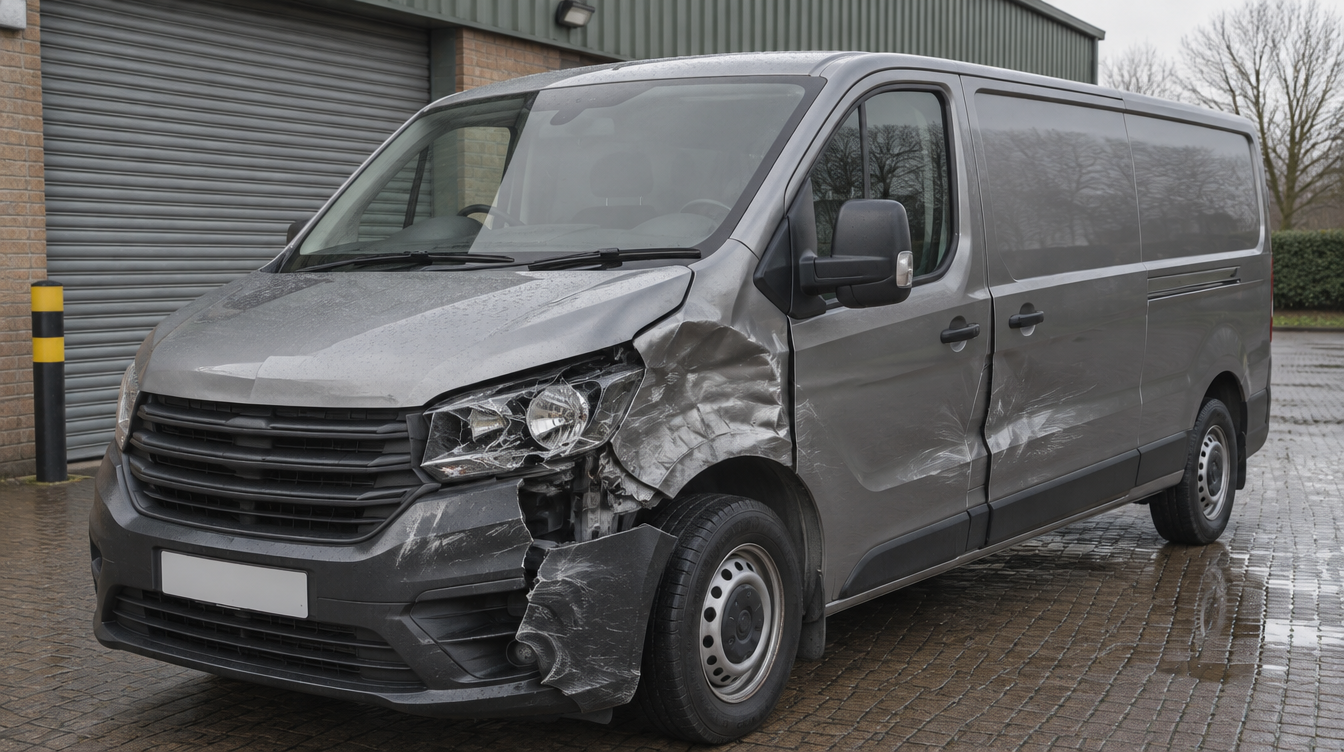
Yes, you can sell a damaged van in the UK, and you do not have to repair it first. Crash-damaged, written-off, MOT-failed and non-running vans are all bought by trade buyers who repair them, convert them or break them for parts. The two things that catch van sellers out are VAT and finance, so get those straight before you accept an offer.
Can you sell a damaged van without repairing it?
You can. There is no rule that a van has to be roadworthy, taxed or MOT'd to be sold, as long as it is yours to sell and you describe it honestly. A van that cannot be driven is simply collected on a recovery truck by the buyer.
Demand is the reason repairing first rarely pays. SMMT Motorparc data published in April 2026 shows a record 5,175,598 vans in use on UK roads, up 1.4% on the year before. SMMT figures published in November 2026 show 25,510 new vans, pickups and 4x4s were registered in October, up 11.4% and the seventh month of growth in a row. More vans in service means more operators looking for affordable used stock and more workshops needing panels, engines and gearboxes to keep them running. A damaged van feeds both.
A trade buyer can also repair a van for far less than the quote you were given, because they buy parts at trade prices and use their own labour. That gap is why a van that makes no sense for you to fix can still be worth real money to them. The same logic applies to a van that will not start, which is covered in our guide to selling a non-runner without giving it away.
How much is a damaged van worth?
There is no honest single figure, because a van's value depends on more than its age and the damage. Trade buyers price a damaged van on what it will be worth repaired, less the cost of getting it there, and several van-specific details move the number:
Where the damage is. Front corner and panel damage is routine work. Damage to the chassis legs, floor or rear frame is structural and narrows the pool of buyers.
Size and body type. Medium and large panel vans, crew vans, tippers and Lutons each have their own buyers. Factory extras such as a second sliding door, a tailgate or air conditioning matter more on a van than most owners realise.
Emissions standard. A Euro 6 diesel can work in clean air zones without a daily charge, so it appeals to more operators than an older Euro 5 van.
Mileage and service history. Vans do hard miles. Evidence of regular servicing counts for a lot when the buyer cannot test drive it.
The load area. Ply lining, a solid bulkhead and a clean floor suggest a cared-for van. Heavy racking, a tail lift or a fridge unit can add value for the right buyer.
VAT status. Whether the price is plus VAT or has no VAT to add changes what a VAT-registered buyer and a non-registered buyer can each afford to pay.
For the detail buyers scan for first, see what trade buyers look for in a damaged vehicle listing. Nearly all of it applies to vans.
Do you charge VAT when you sell a damaged van?
This is the question car sellers never have to ask. The general position is that a VAT-registered business selling a van it reclaimed VAT on will normally have to charge VAT on the sale price and pay it over to HMRC, even if the van is damaged. A private owner, or a business that is not VAT registered, does not add VAT.
The detail depends on how the van was bought and which VAT scheme you use, so treat that as a starting point rather than advice. GOV.UK has a "VAT when you sell a vehicle" tool for VAT-registered businesses, and your accountant or HMRC can confirm your own position. Whatever the answer, say clearly in the listing whether the price is plus VAT or not. Trade buyers will ask, and an unclear answer slows offers down.
Can you sell a written-off van? Cat S and Cat N explained
Vans are written off under the same categories as cars. Cat S means structural damage, Cat N means non-structural damage, and both can be repaired and returned to the road. Cat A and Cat B vans cannot go back on the road. Our guide to Cat S vs Cat N and what each does to value explains the difference in full.
If your insurer writes the van off, you do not have to hand it over. In most cases you can ask to retain your vehicle: the insurer pays the settlement less a salvage value deduction, and the van stays yours to sell. If the trade will pay more than the deduction, you keep the difference. One Second Gears seller did exactly this with a written-off BMW X3. It was paid for and collected within 24 hours of listing, and the seller made £2,600 more than the salvage deduction. Results vary by vehicle, so compare the deduction with real offers before you decide, and check the retention terms with your insurer. The steps are set out in can I keep my vehicle after a write-off.
Can you sell a damaged van on finance or lease?
Many vans are funded, and the type of agreement decides what you can do. On hire purchase the finance company usually owns the van until the agreement is settled, so the balance has to be cleared before or as part of the sale. A van on contract hire or a finance lease is generally not yours to sell at all, and damage has to be dealt with through the funder and your insurer.
Ask the finance company for a settlement figure in writing before you list, and tell buyers the position up front. Our guide to selling a vehicle with outstanding finance covers how the settlement works.
Scrap, part exchange or sell direct to the trade?
You have three realistic routes:
Scrap. Quick and simple, but the price is based mainly on weight. A repairable van, or one with a good engine and gearbox, is usually worth more than its metal.
Part exchange. Convenient if you are replacing the van anyway. The dealer will typically pass a damaged van on to the trade, so the offer has their margin taken out of it.
Sell direct to the trade. You put the van in front of the rebuilders, dealers and dismantlers who actually want it and let them compete. This is the principle behind Second Gears: sell direct, not at auction.
Second Gears is a marketplace, so the offers come from verified trade buyers and you choose whether to accept one. It is free to list, with a small success fee only if the van sells and nothing to pay if it does not.
How to prepare a damaged van for sale
Empty it. Remove tools, stock and personal items, and check under the seats and in the overhead shelf.
Find the paperwork. You need the V5C in the right name, plus service history, any write-off letter and both keys if you have them.
Check the MOT position. Under GOV.UK guidance, vans up to 3,000kg design gross weight take a class 4 MOT and vans over 3,000kg up to 3,500kg take a class 7. An expired or failed MOT does not stop a sale, but state it plainly.
Photograph it properly. All four corners, close-ups of the damage, the cab, the dashboard with the ignition on, and the load area with the doors open.
Describe it honestly. Say whether it starts and drives, list warning lights, and mention signwriting, racking or conversions.
State the VAT and finance position. Two lines in the description save a dozen questions.
When the van is collected, get paid in full before you release it and tell DVLA you have sold it to the motor trade. Our damaged vehicle paperwork guide walks through the V5C and the DVLA notification.
Get offers on your damaged van
If your van is damaged, written off or off the road, find out what the trade will pay before you scrap it or accept a low part exchange. List your car free on Second Gears and receive offers direct from verified trade buyers. Vans are welcome.
Looking for damaged van stock for your own business? Register as a trade buyer.
Related Articles
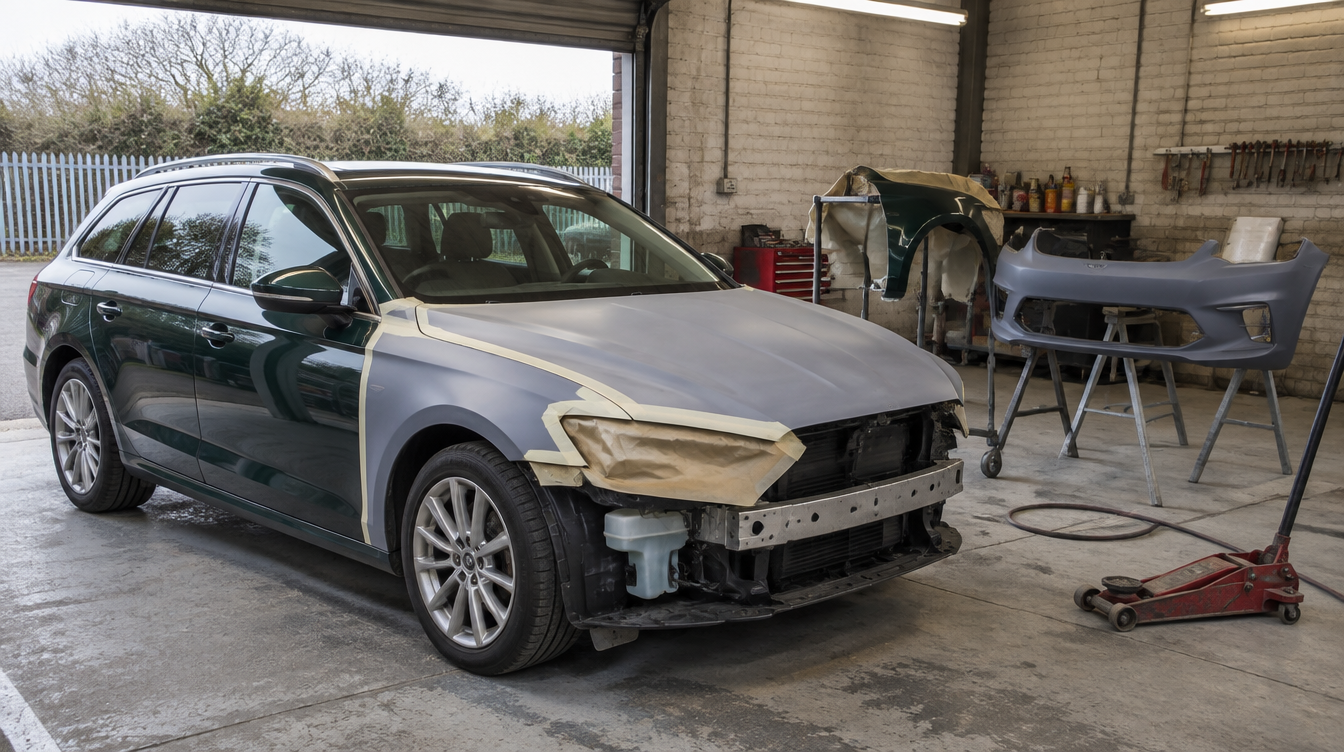
How to Put a Cat S or Cat N Car Back on the Road (UK)
A repaired Cat S or Cat N car can go back on the road once it is roadworthy, taxed, insured and, if it is over three years old, covered by a valid MOT...
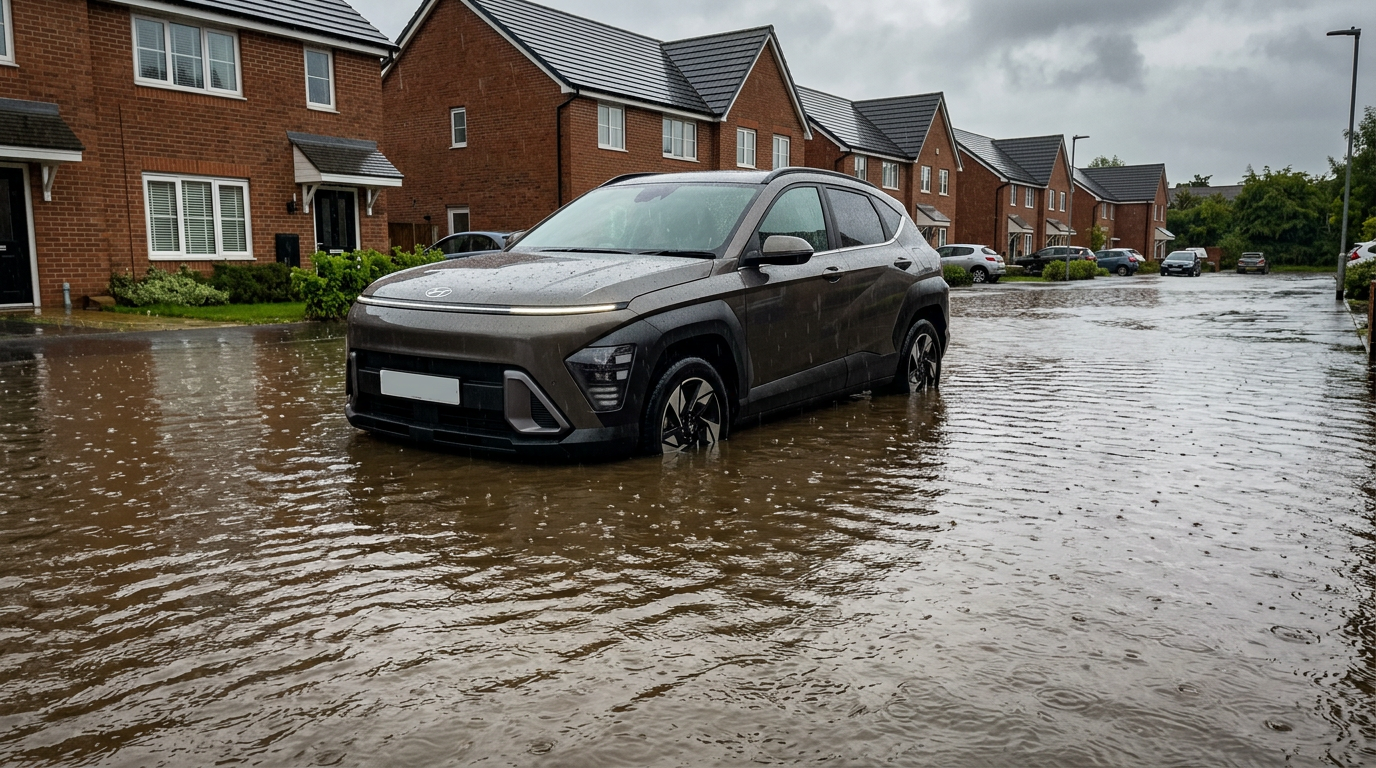
Can You Sell a Flood-Damaged Car in the UK? Yes, and Here's How to Do It Properly
Every autumn and winter, thousands of UK cars end up standing in water. Some dry out and seem fine, some fail electrically weeks later, and many are w...
Selling a Loved One's Car: A Straightforward Guide for a Difficult Time
Sorting out a car is one of those practical tasks that arrives in the middle of grief, and it is often less simple than expected: the car may have bee...